Showing posts with label Grains. Show all posts

Sunday, October 11, 2015

So, What Do You Eat?

I have eliminated white flour, potatoes, and white rice from my diet. It's not that I don't like baguettes, french fries, and rice, it's because they don't like me, or rather, they cause symptoms I'd rather not experience.

When I make baked goods, or need to replace white flour in a recipe, I generally reach for Quinoa flour. Sometimes I’ll add oat or buckwheat flours, too.

For store-bought breads I stick to sprouted varieties. For rice or potatoes, I substitute Quinoa, Wheat Berries, brown rice, (I eat Basmati rice even though it's white because it is a slow sugar uptake into the bloodstream). 

I avoid dairy, too. I go for the goat when it comes to cheeses, sheep or goat for yogurt, and soy for milk. LaLoo makes amazing ice cream from goat's milk. My favorite is Rumplemint - yum! I love French toast, and by using sprouted bread and soy milk, I can have it. Pancakes, too, by using Quinoa and other flours, and soy milk.

There are some things that I love, but I can't eat because it sends me into a sugar shock, not fun, watermelon, for example. There are some things I eat and it seems like I shouldn't, maple syrup, for example. Maybe because I pair it with food items that are high in fiber and I only use a little bit. It's okay to have things like pasta or rice noodles on occasion, and I enjoy red wine on occasion, too. I simply avoid foods that have a high glycemic index because they either triggers various neuropathies or induces a sugar shock, brain fog, sweating, muscle weakness, or sleepiness. Not so much fun, but totally workable and easy to interact with water, exercise, sleep, or some combination thereof, depending.

To help me figure out what I can or can't have, or discover after the fact why I'm having a reaction, I check out an online GI database.

Related Post:  (non) Dairy QueenGrains in Focus

Related Links


Friday, July 10, 2015

Crouching Sugar, Hidden Glucose


I stumbled on my current eating strategies by accident. I made note of the foods with a high glycemic index, and eliminated them from my diet. I'd like to think it was an insightful move, a new way of thinking! But no, others have come before me; in fact, they've even wrote the book. While I might not be as original in my thinking and strategies as I previously thought, I still feel proud of myself for connecting the dots. Now, had I read the book 20 years ago, and had followed the writer's advice, would I have avoided the insulin resistance portion of PCOS, maybe avoiding it completely? I think the answer to that question is a resounding yes, but...  I doubt I would have followed the strategies, because I was 20 years younger and not really interested in the long-term health ramifications.

Knowing what I know now, and having children on whom to impart my hard-won wisdom, I'm all about showing how the sugar in our diets, not only refined white sugar, but the hidden sugars in whole and processed foods, have negative, long term health affects. Whether or not I read the book, the guiding principle resonates:
"The Sugar Busters diet is a diet focused on eliminating foods containing refined carbohydrates such as refined sugar, white flour, and white rice, as well as naturally occurring carbohydrates rating high on the glycemic index such as potatoes and carrots." Wikipedia
Regardless of the state of one's pancreas, constantly flooding your bloodstream with sugar, no matter the form, places a tremendous burden on one's body. For a teen, who feels invincible, that statement would fall on deaf ears. Heck, I ignored the "sugar is bad" and "breakfast is the most important meal of the day" adages for nearly 50 years! It wasn't until I felt the results of my poor food choices, and had to make changes or face a serious decline in life quality, did I sit up and pay attention.

I think it's high time I read Sugar Busters.

Related Links

Monday, September 1, 2014

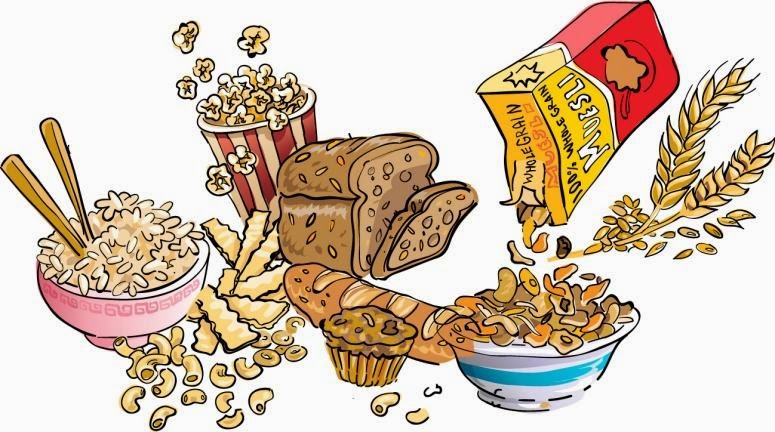
Grains in Focus


The first thing I did when I realized that I was on the brink of type 2 Diabetes, was figure out what I could eat, and what I should limit or avoid completely. It wasn't too hard to include whole grains. I use a Tabbouleh recipe as a starting point, and then change up the grains and toss in whatever I have in the fridge and pantry for interest and variation. Of the go-to grains listed on the American Diabetics Association website, I gravitate toward the following:
  • Brown rice 
  • Bulgur (cracked wheat) 
  • Buckwheat flour 
  • Whole grain barley 
  • Whole grain corn/corn meal 
  • Whole oats/oatmeal 
  • Wild rice 
  • Quinoa/Quinoa flour

Presently, Quinoa is my staple and I always have a batch ready to add to whatever I'm making. 

I like to stir-fry barley, seasoning it with simply with salt and pepper. My oldest daughter, who is an extremely picky eater, has decided that anytime I make that particular dish, that I must make extra so that she can take it for lunch the next day. Ding, ding! We have winner. 

I've completely eliminated anything made with refined white flour, white rice, and limited my potato consumption. Which is challenging, but doable. Do I look longingly at the chili cheese fries my son makes? li'l bit. Do I salivate when my youngest daughter makes ravioli? On occasion. However, there are lots of ways in which I can enjoy the foods I love by swapping a starchy vegetable or a refined white flour product with a whole grain. I'm thinking I might test out this theory by replacing the fries with barley. It isn't chili cheese fries per se, but I think it might just be a satisfying substitute.

With a little bit of planning, a dash of imagination, and a pinch of surfing the interwebs for recipe possibilities, it's pretty easy to include whole grains in your daily diet.


Related Links